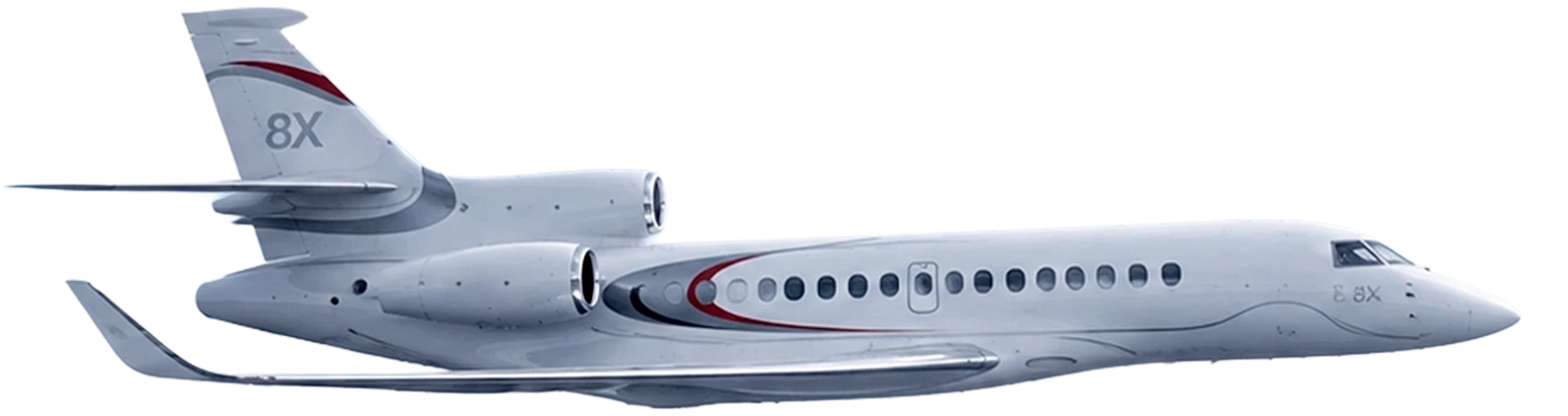
Chartering a private jet in India for the first time typically involves five simple steps: define your trip and passenger count, choose an aircraft class suited to the route, get an indicative estimate followed by a firm quote from a flight desk, share basic ID documents, and confirm with payment. Most of this can be done in a single day, and on the day of travel you generally arrive at a private terminal only 15 to 30 minutes before departure. This guide walks through each step so a first-time flyer knows exactly what to expect.
Step 1: Define Your Trip and Passenger Count
Before reaching out to anyone, it helps to have basic trip details ready. This is the single biggest factor in getting an accurate estimate quickly.
- Route: departure and arrival city or airport, for example Delhi (DEL) to Udaipur (UDR) or Mumbai (BOM) to Goa (GOX)
- Dates and timing: preferred departure date and rough time, plus whether it is a one-way or round trip
- Passenger count: the number of adults, children, and any pets
- Baggage: unusually large items such as golf bags, musical instruments, or extra cargo
- Purpose: business, leisure, wedding, or medical, since this can affect aircraft choice and scheduling flexibility
Having this information ready means the first quote you receive is realistic rather than a wide placeholder range.
Step 2: How Do You Choose the Right Aircraft Class?
India's charter market offers a few broad aircraft categories, and picking the right one depends mainly on distance and group size rather than budget alone.
- Turboprops: efficient for short regional hops such as Mumbai to Pune or Bengaluru to Goa, typically seating around 6 to 9 passengers
- Light jets: a common choice for city pairs like Delhi to Jaipur or Mumbai to Udaipur, generally carrying 6 to 8 passengers with a bit more cabin room and speed
- Midsize jets: better suited to longer domestic routes or short international hops, with more baggage capacity and a more comfortable cabin for 8 to 10 passengers
- Super midsize and large jets: used for longer international sectors from India, offering greater range, a stand-up cabin, and seating for larger groups
A good rule of thumb is to match the aircraft to the route distance and group size first, then compare pricing within that class. Booking a smaller aircraft than needed to save cost often backfires with tight cabin space or a fuel stop that adds time.
Step 3: Get an Indicative Estimate, Then a Firm Quote
Once you know your route and aircraft class, the next step is pricing, and this happens in two stages.
Getting an Indicative Estimate
The fastest way to get a ballpark figure is through the Flight Planner, where you enter your route, date, and passenger count to see an indicative range in INR. This is useful for early planning and comparing aircraft classes, but figures shown here are indicative and can shift based on aircraft availability, positioning costs, and exact timing.
Getting a Firm Quote
For an actual bookable price, you should contact our flight desk with your finalized trip details. A firm quote accounts for real-time aircraft availability, positioning flights, landing and parking charges, and any special requests such as catering or ground transfers. Most first-time flyers are surprised at how quickly this turns around, often within a couple of hours for domestic routes.
Step 4: What Documents Do You Need to Charter a Private Jet?
Documentation for private charter in India is generally simpler than most first-time flyers expect.
- Domestic flights: a valid government-issued photo ID such as Aadhaar, PAN card, driving licence, or passport for each adult passenger
- International flights: a valid passport with sufficient validity, plus any visa required for the destination country
- Minors: a birth certificate or school ID may be requested, along with consent details if traveling without both parents
- Pets: basic health documentation may be needed depending on the aircraft operator and destination
There is no dedicated private terminal security queue comparable to commercial travel, but ID verification still happens, typically at the private terminal (FBO) rather than a public terminal.
Step 5: Payment and Confirmation
Once you accept the firm quote, the flight desk will share a booking agreement outlining the aircraft, route, timing, and total cost. Payment terms vary by operator and route, but commonly involve a deposit or full payment ahead of departure, especially for first-time clients or new routes. After payment is confirmed, you typically receive:
- A confirmed itinerary with exact departure time and terminal details
- Aircraft tail number and operator information
- A point of contact for any last-minute changes
It is worth asking about the cancellation and rescheduling policy at this stage, since terms can differ between a light jet booked for a same-day trip and a larger aircraft booked weeks in advance.
What Should You Expect on the Day of the Flight?
This is where private charter differs most from commercial flying, and it is usually the part first-time flyers appreciate the most.
Arrival Timing
Most passengers arrive at the private terminal around 15 to 30 minutes before departure for domestic flights, compared to the one to two hours typically recommended for commercial travel. International charters may need a little more time for immigration formalities.
Private Terminal Experience
You generally check in directly at the FBO or private terminal lounge, where staff verify ID and coordinate with the crew. There is no long queue, and boarding usually happens by simply walking out to the aircraft when ready.
Baggage
Baggage handling is typically more relaxed than commercial travel, though weight and space limits still apply based on the aircraft type. If you are carrying unusually large or heavy items, it helps to have mentioned this during Step 1 so the right aircraft was selected.
Boarding and Departure
Boarding is quick, often just a short walk from the lounge to the aircraft stairs. Once everyone is seated, the crew completes final checks and departure typically follows within minutes, assuming air traffic control clearance and weather are favorable.
Practical Tips for First-Time Private Jet Flyers
- Book early when possible, especially around peak travel weekends, wedding season, or major holidays, since aircraft availability tightens quickly
- Confirm catering preferences in advance, as most operators can arrange meals, snacks, or specific dietary requirements with notice
- Ask about ground transfers, since many charters can be paired with a car arranged to meet you planeside
- Clarify the total cost upfront, including any positioning charges, so there are no surprises against the firm quote
- Keep your flight desk contact handy, as schedule changes are usually easier to manage on a private charter than on a commercial ticket
First-time flyers sometimes assume private charter requires extensive planning, but in practice the process is designed to be simple: a clear trip brief, a quote, basic documents, and payment are usually all that stand between you and departure day.
Frequently Asked Questions, Answered Briefly
If you are still weighing whether to book, a few common questions tend to come up before that first flight.
Chartering a private jet in India is generally more straightforward than people expect, and most of the process, from estimate to confirmed booking, can be completed well within a day for domestic routes. For your first trip, start by exploring the aircraft fleet to get a feel for what suits your group size, then use the Flight Planner for an indicative figure, or simply contact our flight desk and let the team guide you through private jet charter from start to finish.